Xpeng Unveils AI Brain Linking Cars and Robots
AI TIMES · · 1 views
✦ AI Summary
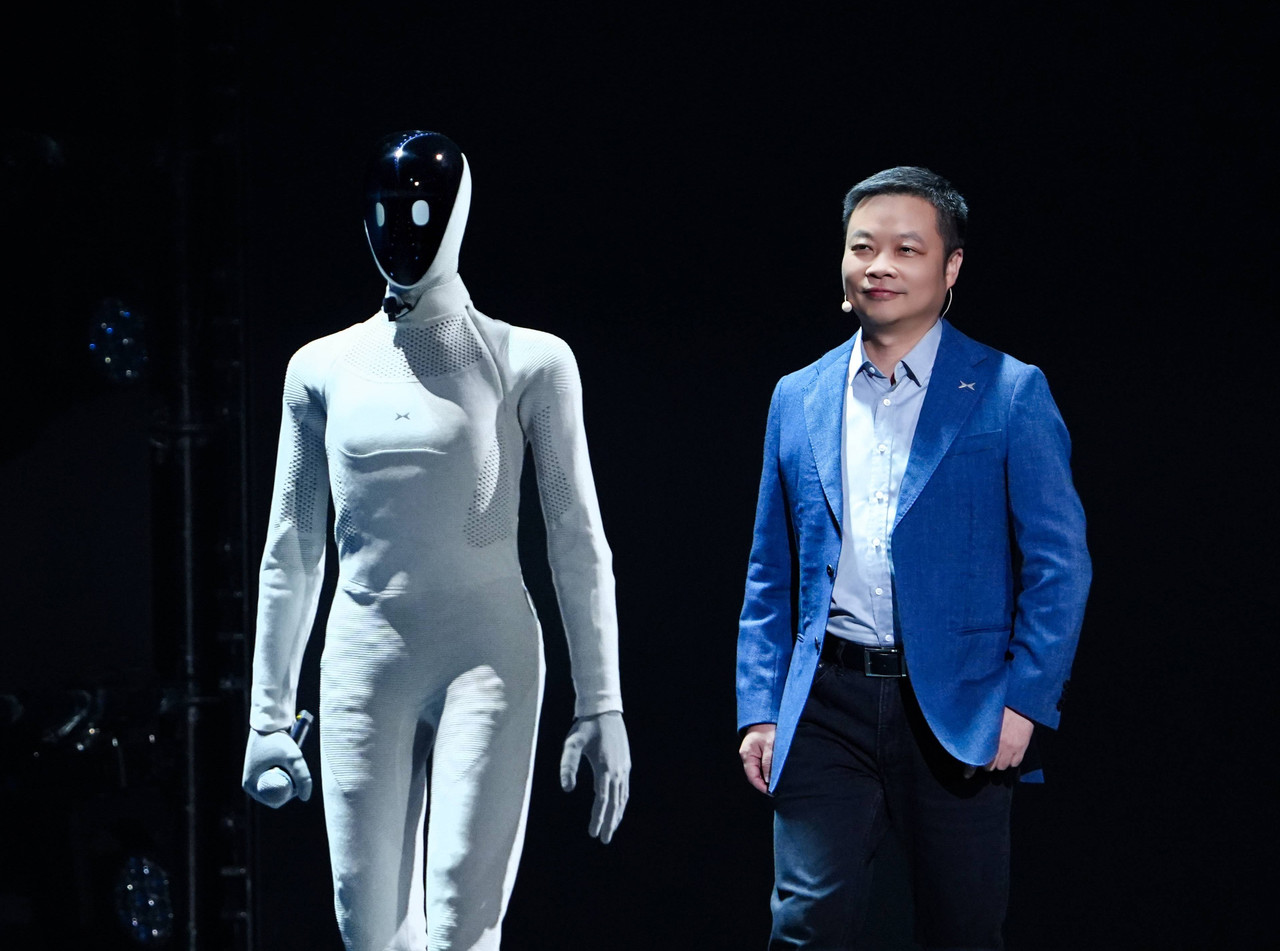
According to AI TIMES, Xpeng unveiled its "Turing Physical AI Architecture" in Guangzhou, China, on November 25, connecting cars, humanoid r…
According to AI TIMES, Xpeng unveiled its "Turing Physical AI Architecture" in Guangzhou, China, on November 25, connecting cars, humanoid robots, and robotaxis into a single common intelligence system. The company said it raised training speed by 10 to 12 times through agent-based autonomous learning, and that it is pushing ahead with a 2027 launch for its commercial robotaxi, the "Yoyo-01." The core of this unveiling is the idea of unifying AI cognition, judgment, and physical execution in one structure rather than separating them. It also laid out a plan to extend the semiconductors, data, control, and verification systems built in cars to robots and other mobility devices, with the aim of improving both development efficiency and commercialization speed. It also suggested a direction in which AI would coordinate not just driver assistance, but the vehicle's overall movement, safety, and energy management, treating a car as a robot rather than simply a means of transportation. Rather than developing humanoids, robotaxis, and flying cars separately, the strategy is to build them on the same foundation, showing that Xpeng's competitive focus is shifting from EV manufacturing to a physical AI platform.
Perspective
The significance of this issue lies in the fact that, more than product-by-product performance competition, it is becoming more important how widely a common foundation can be laid. If an approach that places the same brain across multiple physical forms takes hold, the pace of development, verification, and service expansion will change, and industry competition is likely to shift from individual devices to a system-level contest that bundles data, chips, control, and manufacturing all at once.
This perspective is BizCrush's own commentary and is not part of the reporting by AI TIMES.
This article was produced with the help of an automated content generation algorithm.
Source: AI TIMES
View originalThis article was summarized and organized by BizCrush based on the original article from AI TIMES. For exact quotations and full details, please refer to the original article.