Base Station Drives Ordinary Cars, Factory Logistics Testing Moves Into Full Swing
AI TIMES ·
✦ AI Summary
According to AI TIMES, SK Telecom said it has developed technology that uses AI base stations to remotely move ordinary vehicles without aut…
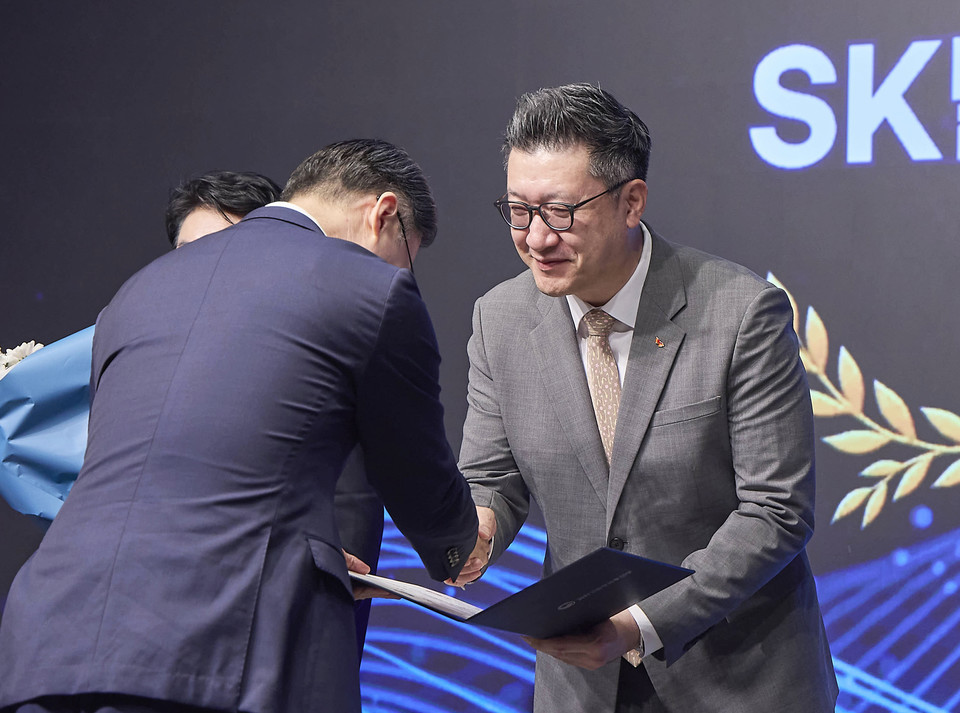
According to AI TIMES, SK Telecom said it has developed technology that uses AI base stations to remotely move ordinary vehicles without autonomous driving functions, and it is pursuing application at KG Mobility's factory in 2027. On November 18, SK Telecom said it received the minister's award at the Radio and Broadcasting Technology Awards for this technology. Under this method, instead of the vehicle making its own decisions, the base station receives LiDAR data, analyzes the surroundings, determines the driving route, and then controls steering, acceleration and deceleration, and gear shifting. In a joint demonstration, the companies checked whether the workflow from sensor data collection to AI decision-making and vehicle control could be handled over an external network. The company plans to further refine the technology in its Pangyo demonstration environment and then move on to performance verification tailored to real automotive logistics sites. It also plans to unveil the technology at an event in Incheon Songdo next month, showing its potential to expand as an example of communications networks directly driving physical tasks in industrial settings.
Perspective
The key issue here is whether the center of gravity in autonomous driving can shift from inside the vehicle to network infrastructure. If this approach takes hold, it could open the door to automating repetitive in-factory logistics without putting expensive features into every vehicle. Telecom operators could expand their role beyond connectivity providers into on-site control infrastructure operators, while manufacturing sites may place greater importance on competition built around linking equipment, vehicles, and sensors into a single system. Ultimately, the dividing line for broader adoption is likely to be whether the technology can prove not only its maturity, but also its stability and responsibility framework.
This perspective is BizCrush's own commentary and is not part of the reporting by AI TIMES.
This article was produced with the help of an automated content generation algorithm.
Source: AI TIMES
View originalThis article was summarized and organized by BizCrush based on the original article from AI TIMES. For exact quotations and full details, please refer to the original article.