SKT to Verify GPU-NPU Combined Inference Infrastructure
AI TIMES ·
✦ AI Summary
According to AI TIMES, SK Telecom announced on November 9 that it has begun joint development and verification of a Korean-style sovereign A…
BizCrushWant to follow Korean talks and live streams in real time?Try CapCrush on the web
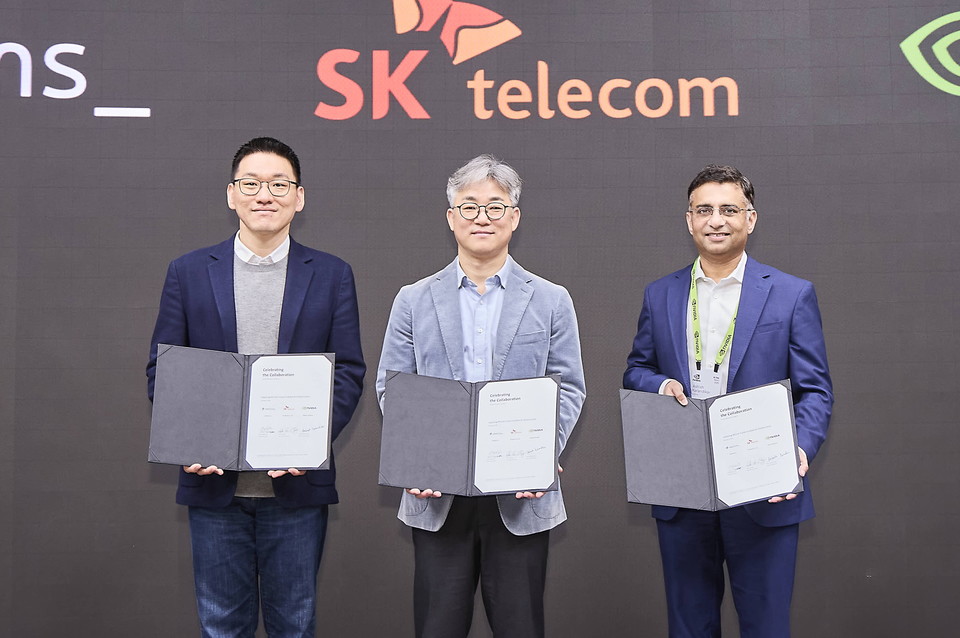
According to AI TIMES, SK Telecom announced on November 9 that it has begun joint development and verification of a Korean-style sovereign AI inference infrastructure that combines GPU and domestically produced NPU technology together with Nvidia and Rebellions. The key is to test in actual data centers whether a split inference architecture, in which Nvidia GPUs handle prefill and Rebellions NPUs handle decode, can improve performance and power efficiency. SK Telecom, drawing on its experience operating AI data centers, will examine the stability and applicability of the integrated system, and it is also pursuing ways to connect it to proprietary AI models and public AI services. The collaboration is also an effort to expand the use of domestic AI semiconductors by linking them with the global AI computing ecosystem. The article noted that, more than the technical connection itself, the variable that will shape future competitiveness is whether the workload can be divided smoothly in real service environments and lead to improved operational efficiency. It also highlighted the possibility that this could become a test case for creating a Korean-style AI infrastructure that can be used in both the public and private sectors.
Perspective
The significance of this issue lies less in the announcement of a partnership than in whether it can address bottlenecks and cost problems in inference infrastructure through a different combination. In particular, if a step-by-step division of roles away from a structure that relies too heavily on a specific semiconductor proves effective, the sovereign AI discussion could move beyond a slogan and into a system that can actually be operated. In the end, market attention is likely to focus less on the combination itself than on whether it runs stably in service environments and proves its efficiency.
This perspective is BizCrush's own commentary and is not part of the reporting by AI TIMES.
This article was produced with the help of an automated content generation algorithm.
Source: AI TIMES
View originalThis article was summarized and organized by BizCrush based on the original article from AI TIMES. For exact quotations and full details, please refer to the original article.
Keep reading
BizCrush