U.K. Seeks Regulatory Edge on Health by Investing in Medical Simulation
AI TIMES ·
✦ AI Summary
According to AI TIMES, the U.K. Health Economics Research Institute analyzed on October 21 that increasing investment in medical AI and comp…
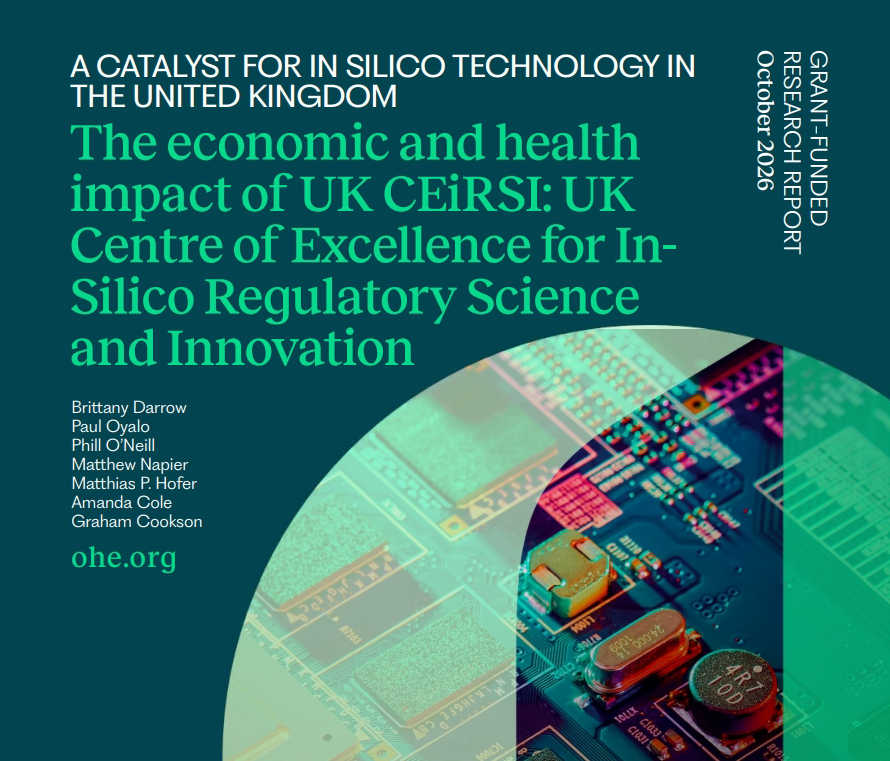
According to AI TIMES, the U.K. Health Economics Research Institute analyzed on October 21 that increasing investment in medical AI and computer simulation could secure 37,282 more years of healthy life over the next five years and cut NHS costs by about KRW 2 trillion. The assessment projected the effect of fully incorporating in silico technologies into regulatory and validation systems during the drug and medical device development process. The article noted that this technology could reduce dependence on animal testing and help secure evidence for groups that are difficult to represent in actual clinical settings. It also said the expected benefits will not materialize automatically, but will require sufficient investment, model validation, and trust-building by regulators. In particular, because this is a point at which standards for how far computer-based evidence should be accepted in safety and efficacy evaluations are being formed, the article said the country that refines them first could gain an edge in international regulatory discussions and industrial competitiveness. In the end, the article views medical simulation not as a simple development tool, but as a driver that could reshape health finance, R&D methods, and the regulatory order together.
Perspective
The important point is not the technology’s performance itself, but how it is incorporated into the system. As the article shows, once health benefits and cost savings are discussed together, the debate moves from laboratory experiments to public health care operations and industry rules. That is why the first-mover advantage is bigger than the success of a single product. The side that sets validation standards first can effectively design development speed and market-entry pathways, and those that follow will have to adapt to that framework. It is a signal that competition in medical AI is expanding beyond algorithm competition into competition over regulatory design.
This perspective is BizCrush's own commentary and is not part of the reporting by AI TIMES.
This article was produced with the help of an automated content generation algorithm.
Source: AI TIMES
View originalThis article was summarized and organized by BizCrush based on the original article from AI TIMES. For exact quotations and full details, please refer to the original article.