Meta Unveils Efficiency Metrics for Giant AI Training
AI TIMES ·
✦ AI Summary
According to AI TIMES, Meta said on October 19 that it recorded more than 85% pretraining goodput while training a Muse-based model on Prome…
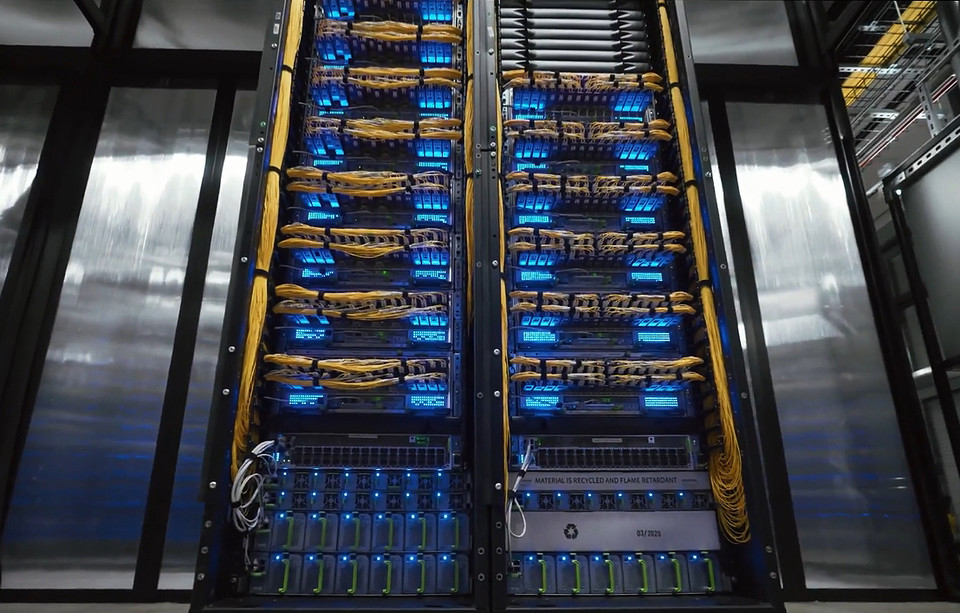
According to AI TIMES, Meta said on October 19 that it recorded more than 85% pretraining goodput while training a Muse-based model on Prometheus, a giant GPU cluster in New Albany, Ohio. The company also said it achieved high efficiency in reinforcement learning, highlighting that in large-scale training, effective compute and minimizing interruptions matter more than simply securing more GPUs. According to the report, in an environment that links hundreds of thousands of GPUs, even a performance drop at a single piece of equipment can slow down the entire training run. That makes the key point of this disclosure less about model performance itself and more about how Meta reduced bottlenecks and instability across the cluster. However, the metrics Meta presented are self-reported, so they cannot be seen as grounds for external verification or direct comparison with competitors. The detailed calculation method and recovery techniques were not disclosed, leaving the differences in actual operating strategy to be confirmed in the original article.
Perspective
This disclosure shows that the basis of AI competition is shifting from how many chips a company has accumulated to how seamlessly it can turn those resources into training gains. Even with infrastructure of the same scale, operating capability can sharply affect development speed and cost efficiency, making system stability and resource utilization increasingly likely to become key factors in corporate competitiveness, alongside model launches.
This perspective is BizCrush's own commentary and is not part of the reporting by AI TIMES.
This article was produced with the help of an automated content generation algorithm.
Source: AI TIMES
View originalThis article was summarized and organized by BizCrush based on the original article from AI TIMES. For exact quotations and full details, please refer to the original article.