onsemi to Supply SiC to Sungrow ESS, Boosting Inverter Efficiency by 0.4%
TECHWORLD · · 1 views
✦ AI Summary
onsemi said on the 15th that it will supply Sungrow's next-generation SiC hybrid power modules for BESS.
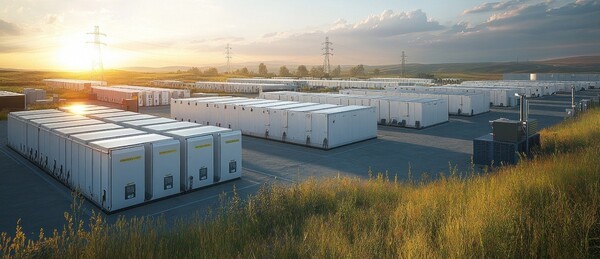
The modules will be used in Sungrow's energy storage platform, "PowerTitan 3.0," which incorporates EliteSiC hybrid power modules and a high-density power integrated module (PIM).
The new architecture improves inverter efficiency by 0.4% from the previous generation, with peak efficiency above 99.3%, and Sungrow plans to supply a total of 10GWh of PowerTitan 3.0 across Europe in 2026.
onsemi announced on the 15th that it will supply Sungrow's next-generation SiC hybrid power modules for BESS. The target is Sungrow's energy storage platform, "PowerTitan 3.0."
onsemi has introduced its latest EliteSiC hybrid power module technology into "PowerTitan 3.0." The platform also incorporates onsemi's high-density power integrated module (PIM).
The PIM is optimized for high-power energy storage applications and is based on an advanced three-level inverter architecture. This improves power conversion efficiency and system performance.
The new architecture improves inverter efficiency by 0.4% compared with the previous generation, and peak efficiency is above 99.3%. It also supports power conversion units rated up to 450kW, helping improve power density and build high-power BESS.
The SiC-based power module focuses on reducing power conversion losses and improving thermal performance. It was designed to cut losses and heat generation during power conversion.
onsemi said the improved thermal performance and overload handling capability help support stable operation in high-power environments. It added that better thermal performance and overload response in high-power systems can expand the usable energy of equipment. It also said this can improve the system economics of large-scale energy storage facilities.
onsemi said that for utility-scale energy storage systems, even a slight efficiency gain affects long-term operating costs and usable energy. It added that reducing power conversion losses increases the energy that can be supplied to the grid and can also help lower operating costs and emissions.
onsemi analyzed that if inverter efficiency improves by 0.4%, a 100MW battery energy storage facility could save more than 475MWh of energy annually compared with the previous-generation module. It cited this as evidence that even small efficiency gains can affect long-term costs and the amount of energy secured.
The adoption of this technology was driven by the long-term strategic partnership between onsemi and Sungrow. The two companies jointly carried out platform design, system optimization, overall certification engineering, and verification. As a result, they met the performance requirements for next-generation energy storage systems.
Chen Peng, general manager of Sungrow's energy storage conversion product line in the energy storage business unit, said PowerTitan 3.0 demonstrates Sungrow's continued innovation in advanced energy storage system design. He added that, through collaboration with strategic partners such as onsemi, the company is accelerating the introduction of high-performance storage solutions to expand the lifetime value of energy assets.
Based on this cooperation, Sungrow expects to supply a total of 10GWh of PowerTitan 3.0 across Europe in 2026. Sungrow said the supply plan is intended to help improve flexibility and resilience in Europe's energy system.
Sergio Fissore, vice president and general manager of onsemi's IPD power division, said that even small gains in power conversion efficiency in utility-scale systems have a major impact on BESS performance and TCO. He explained that EliteSiC hybrid power modules maximize usable energy and improve system reliability.
As power demand rises amid the expansion of AI infrastructure and the shift to electrification, and as the share of renewable generation increases, the role of energy storage systems is expanding. Accordingly, power suppliers face the challenges of expanding power storage capacity, reducing conversion losses, and improving equipment economics.
Against this backdrop, the adoption of high-power and high-voltage architectures in the energy storage industry is expanding. At the same time, improving power conversion efficiency, power density, thermal management, and system reliability is emerging as a key technical direction.
Source: TECHWORLD · Park Kyu-chan
Original: https://www.epnc.co.kr/news/articleView.html?idxno=408246
References
This article was produced with the help of an automated content generation algorithm.
Source: TECHWORLD
View originalThis article was summarized and organized by BizCrush based on the original article from TECHWORLD. For exact quotations and full details, please refer to the original article.