SoftBank Demonstrates Disaster Communications Network With Large Drone
AI TIMES ·
✦ AI Summary
According to AI TIMES, SoftBank said it succeeded on October 2 in a demonstration over the coastal waters of Kochi Prefecture, Japan, in whi…
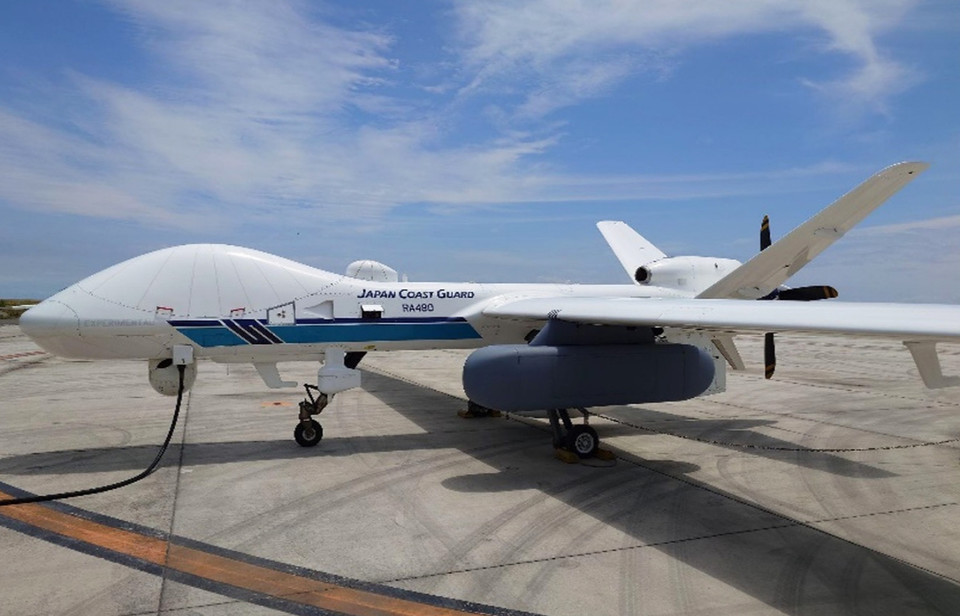
According to AI TIMES, SoftBank said it succeeded on October 2 in a demonstration over the coastal waters of Kochi Prefecture, Japan, in which it mounted a disaster communications device on a large unmanned aircraft to create a mobile communications area with a ground coverage diameter of more than 5 km from an altitude of 3,000 m. The company said that, based on publicly available information, this was the first case in Japan of providing airborne mobile communications using a domestically produced device. The test focused on the idea of quickly setting up a temporary communications zone for disaster sites by using a large drone as an aerial relay base instead of building new ground base stations. It also emphasized that it carried out the preparations needed for actual operations, including device production, aircraft integration, flight safety checks, and approval procedures. Communications quality was confirmed in a test assuming disaster conditions, but the company drew a line under that by saying this does not mean the service has yet entered on-site commercial use. SoftBank plans to refine the practical applicability of its airborne communications solution for disaster response based on this result, which expanded earlier helicopter verification to a large drone.
Perspective
The significance of this matter is that disaster communications may no longer be a problem of simply waiting for ground infrastructure to be restored, but could shift to a model that deploys a network in the sky when needed. In particular, an approach that checks actual operational procedures alongside the technology shows that regulation, safety, and equipment integration must move together beyond a simple technical demonstration. The move to establish a rapid-deployment axis separately from a long-endurance concept also stands out, suggesting that future competition in airborne communications networks may shift from coverage itself to deployment speed and operational viability.
This perspective is BizCrush's own commentary and is not part of the reporting by AI TIMES.
This article was produced with the help of an automated content generation algorithm.
Source: AI TIMES
View originalThis article was summarized and organized by BizCrush based on the original article from AI TIMES. For exact quotations and full details, please refer to the original article.