South Korea Proposes AI Manufacturing Innovation and Supply Chain Cooperation at G20
AI TIMES ·
✦ AI Summary
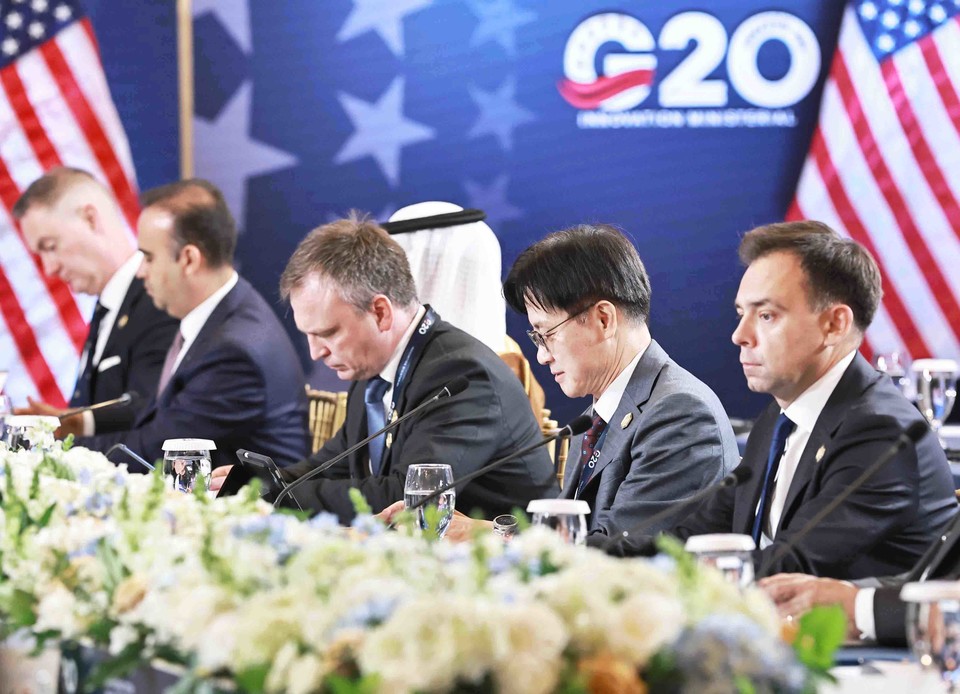
According to AI TIMES, Minister Kim Jeong-kwan proposed at the G20 Innovation Ministers' Meeting in Chapel Hill, the U.S., on September 2 th…
According to AI TIMES, Minister Kim Jeong-kwan proposed at the G20 Innovation Ministers' Meeting in Chapel Hill, the U.S., on September 2 that global supply chain resilience be strengthened through AI-driven manufacturing innovation and international cooperation. At the meeting, he also outlined South Korea's experience in promoting the transition to manufacturing AI and its direction for participating in discussions on international standards, in line with talks on intellectual property systems, AI standards, and supply chain investment. He stressed that patent and copyright systems must protect rights and ensure predictability without hindering AI innovation. He also said AI standards need to reflect demand from industrial sites and practical usage experience. He explained that broader use of AI in production planning, demand forecasting, and supply chain management can improve companies' responsiveness as well as supply chain efficiency and flexibility. He also proposed that the G20 play a role in building open supply chains that link industrial capabilities across countries, based on supply diversification and trust-based partnerships.
Perspective
This statement is meaningful in that it treated AI not as a standalone technology agenda, but as an industrial strategy that ties together systems, standards, manufacturing, and supply chains. For the industry, it can be read as a message that market adoption will be difficult if companies rely only on competition in technical performance, and that faster deployment requires rights protection, standards-setting, and a cooperative structure to work in tandem. In particular, the effort to connect manufacturing-site use cases with international discussions shows that domestic industrial pilot cases can become reference points for external cooperation. Ultimately, it suggests that the center of gravity in AI competitiveness is shifting beyond R&D to connectivity and resilience across industrial operations.
This perspective is BizCrush's own commentary and is not part of the reporting by AI TIMES.
This article was produced with the help of an automated content generation algorithm.
Source: AI TIMES
View originalThis article was summarized and organized by BizCrush based on the original article from AI TIMES. For exact quotations and full details, please refer to the original article.