KAIST and Caltech to Train Research Talent Together Beyond Joint Research
AI TIMES ·
✦ AI Summary
According to AI TIMES, KAIST moved on September 2 to build a global research fellow model with Caltech that goes beyond joint research and i…
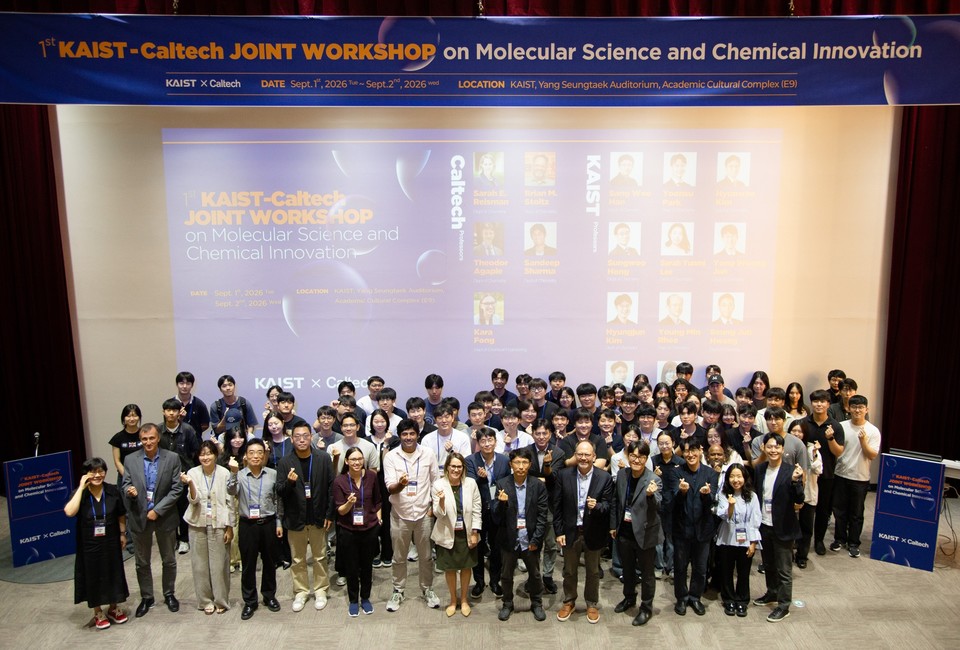
According to AI TIMES, KAIST moved on September 2 to build a global research fellow model with Caltech that goes beyond joint research and includes jointly selecting and mentoring postdoctoral researchers. The two institutions held a joint workshop from the 1st to the 2nd and discussed a cooperation framework that extends beyond sharing research results to include talent development and the joint use of research facilities. The core idea is to create a structure in which professors identify shared research topics and jointly develop researchers suited to them. Through this, they aim not for exchanges that remain within one institution, but for a system in which researchers move between two research environments and build next-generation researchers' international joint research capabilities. The scope of cooperation will also expand to molecular science and future chemical technologies in general, and the two sides will pursue ways to jointly use autonomous laboratories. A key feature of this collaboration is the attempt to link a long-term exchange system spanning graduate students to professors, tying research and talent development into one continuous flow.
Perspective
This move shows that international cooperation is shifting beyond simple joint papers or events toward jointly designing the training system for researchers themselves. In particular, linking joint research, research facility use, and talent development as a single package can increase the continuity of cooperation and make it more likely that results accumulate as a structure rather than at the individual level. In fields where convergence and speed matter, such as future chemistry, this approach could become a benchmark not only for research competitiveness but also for the next generation of the research ecosystem.
This perspective is BizCrush's own commentary and is not part of the reporting by AI TIMES.
This article was produced with the help of an automated content generation algorithm.
Source: AI TIMES
View originalThis article was summarized and organized by BizCrush based on the original article from AI TIMES. For exact quotations and full details, please refer to the original article.