1.3 Million Plastic Bottles Collected From Beaches Worldwide in One Day
IT DAILY ·
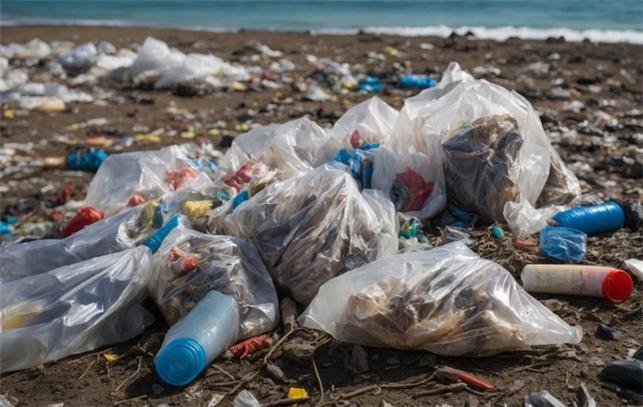
✦ AI Summary
Ocean Conservancy said that about 630,000 volunteers cleaned more than 15,000 miles of coastlines, rivers and waterways in one day during the latest International Coastal Cleanup. About 13.9 million items were collected in the effort, and plastic bottles were the most common item at more than 1.3 million. Ocean Conservancy said the results showed the scale at which single-use plastics enter the environment and the limits of waste management, and called for expanded recycling systems, a deposit return scheme, and broader reuse and refill systems.
WonderfulEngineering.com reported on the results of the latest International Coastal Cleanup, Ocean Conservancy's annual event. The report highlighted the large-scale collection effort carried out over one day on beaches, rivers and waterways around the world.
About 630,000 volunteers took part in the latest event. They carried out cleanup activities along more than 15,000 miles (about 24,000 km) of coastline, rivers and waterways.
A total of about 13.9 million pieces of trash were collected in the effort. Plastic bottles were the most commonly collected item.
More than 1.3 million plastic bottles were collected, along with more than 1.2 million cigarette butts and about 885,000 plastic bottle caps. WonderfulEngineering.com said that the collection of more than 1.3 million plastic bottles from beaches, rivers and waterways around the world in one day underscored the scale at which single-use plastics enter the environment.
Anja Brandon, director of plastics policy at Ocean Conservancy, pointed out that plastic bottles were the most commonly found item on shorelines. She interpreted this as evidence of excessive plastic production and a sign of the limits of waste management systems.
Brandon argued that expanded recycling systems are needed to reduce the amount reaching the ocean. She also said policy measures such as a deposit return scheme should be strengthened, and that reuse and refill systems also need to be expanded.
The findings were released as governments around the world have been rolling out policies to reduce single-use plastics. Even so, the use of single-use plastic products was presented as remaining enormous.
According to WWF figures, consumers in the U.K. use about 13 billion plastic beverage bottles a year. The estimated recycling rate for plastic beverage bottles in the U.K. is about half. The U.K. plans to implement a deposit return scheme for beverage containers in 2027, while Germany, Sweden and Ireland already operate similar systems.
The damage caused by plastic pollution is not limited to the buildup of coastal litter and is posing a direct threat to marine life. Plastic waste can enter the bodies of marine animals during feeding, and it can also cause physical harm. As a result, concerns are growing that the impact of plastic waste could spread across ecosystems as a whole.
Allison Schuts, director of cleanup and conservation projects at Ocean Conservancy, said studies continue to be released showing that plastic is dangerous to marine animals. She added that a recent case was also confirmed in which an albatross died after swallowing an entire plastic bottle.
Recent studies have increasingly reported microplastics found in animals' bodies, and microplastics have also been confirmed in humans. This shows that the plastic pollution problem is extending beyond the marine environment to a broader scope.
Ocean Conservancy's International Coastal Cleanup began about 40 years ago, with its starting point on the Texas Gulf Coast in the U.S. in 1986. At the time, 2,800 volunteers took part in trash collection. To date, 166 countries and regions have participated in the effort, with about 19.7 million participants, more than 439 million items collected, and a total waste weight of about 184,000 tons.
Ocean Conservancy said the data accumulated through the cleanup have been cited in about 300 peer-reviewed academic studies. It also explained that the data are being used to evaluate plastic reduction policies.
Ocean Conservancy cited a 2025 study and said that in areas with bans on plastic bags or fees for their use, the share of plastic bags in coastal litter fell by 25% to 47% compared with areas without such policies.
The results of this cleanup showed that collecting litter piled up on beaches and rivers alone is not enough to solve marine plastic pollution. It also suggested that there are limits to simply collecting plastic waste after it has entered the ocean.
Experts pointed out that reducing the production of single-use plastics itself is important. They also said it is important to improve waste collection and recycling systems and expand reuse and refill systems. Experts said these measures are crucial to fundamentally blocking the flow of marine plastic into the ocean.
Source: IT DAILY · Jo Min-soo
Original: https://www.itdaily.kr/news/articleView.html?idxno=241360
References
This article was produced with the help of an automated content generation algorithm.
Source: IT DAILY
View originalThis article was summarized and organized by BizCrush based on the original article from IT DAILY. For exact quotations and full details, please refer to the original article.