Kim Jin-hong Named 29th President of Government Informatization Council
IT DAILY ·
✦ AI Summary
The Government Informatization Council on the 27th named Kim Jin-hong as its 29th president.
Kim Jin-hong is an information officer in the Planning and Coordination Office of the Ministry of Economy and Finance, and began his public service career in December 2005 as a computer services officer at the Ministry of Finance and Economy, where he has worked in informatization.
Kim said building the next-generation dBrain system was the most memorable project of his career, and identified strengthening the government’s internal informatization response and building a network of working-level officials across agencies as his key priorities.
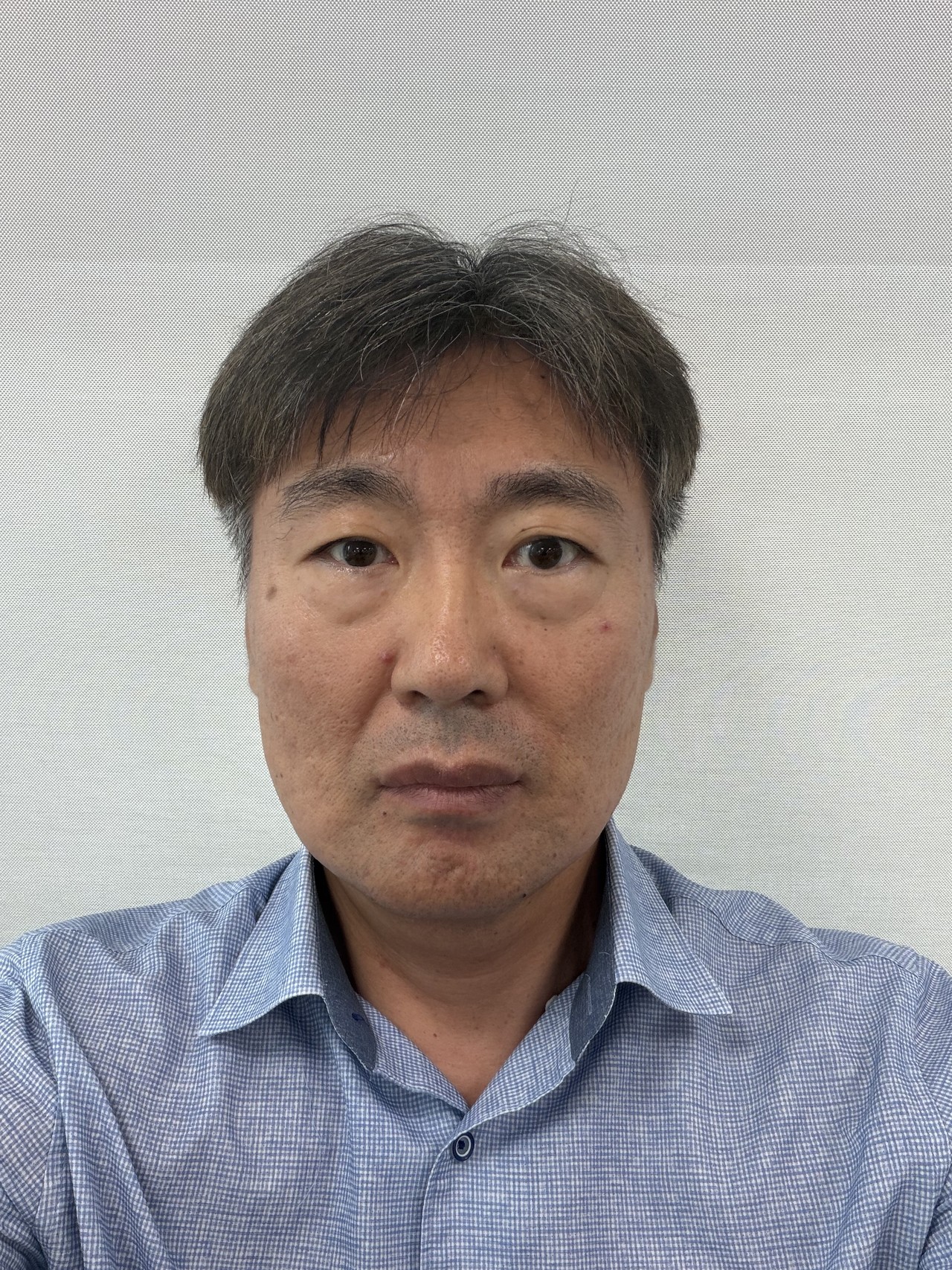
The Government Informatization Council on the 27th named Kim Jin-hong as its 29th president. Kim, who is currently an information officer in the Planning and Coordination Office of the Ministry of Economy and Finance, holds the rank of technical senior civil servant. He is 54.
Kim began his public service career in December 2005 as a computer services officer at the Ministry of Finance and Economy, and has more than 22 years of public service experience. His main area of responsibility has been informatization.
He gained experience working in the Policy Coordination Bureau, the Budget Office and the Planning and Coordination Office, and was promoted to senior science and technology civil servant in 2019. After the promotion, he was dispatched to the Ministry of SMEs and Startups and the Office for Government Policy Coordination, where he spent about a year handling fine dust, deregulation-free zone policy and fine dust management duties.
Kim also served as director general of the Systems Building Division in 2022, where he was in charge of building the next-generation dBrain (Digital Budget and Accounting System) and successfully carried out the project. The article describes him as a sincere figure who leads by example and does his best to fulfill his role and responsibilities as a public servant.
Kim said the most memorable project of his career was building the dBrain system. He described dBrain as a financial information system that integrates and manages all of the Korean government’s financial activities.
The dBrain system was designed to manage budget formulation, execution, settlement and performance management across ministries. Kim said that when building the system, he took the next 10 to 20 years into account.
Kim said building the dBrain system broadened his perspective on national informatization systems. He meant that the system’s nature and scope led to that change in perception.
The interview then shifted to questions for Kim Jin-hong about the direction of the Government Informatization Council. The first question asked how he felt about taking office.
Kim said it was a great honor to take part in running an organization responsible for government informatization work amid a rapidly changing environment involving AI, cloud, big data and information security. He also said he was concerned about whether the council would operate well in the direction it wants, while expressing his determination to do his best to make the council a success.
Asked about the background to becoming president, he said recommendations from acquaintances and strong urging from those around him were what led him to take on the post. He also said that he had devoted most of his public service career to informatization work, and that his desire to share that experience with others was why he decided to run for the council presidency.
He identified the council’s biggest issue as the government’s insufficient response to rapid advances in information technology, including AI. He said he believed the government’s internal informatization response was lagging behind the speed of development in AI and other new technologies.
As a way to address this, he said it is necessary to expand the sharing of examples of new technology adoption. He also said that active sharing of policy trends should be promoted.
He added that there is a need to create a forum for knowledge and information exchange to jointly improve technical capabilities. He also proposed boosting camaraderie and activating mutual communication networks as supplementary measures.
He said that, in the AI era, the most important attitude for informatization officials is to prioritize service development and delivery that focuses on public convenience rather than technology itself. He also stressed the need for principles and a sense of responsibility in services for the public.
He also said services should be provided to groups left out of the benefits of digital technology. He said public services in the AI era should prioritize public convenience over technology itself and be designed to include digitally underserved groups.
As a task he hopes to pursue during his term, he proposed building a network of working-level officials handling informatization tasks across government agencies. He said the purpose of the network is to enable practical discussion and consultation on experience and policy, and that the goal is to create a community in which all agencies can grow together.
Kim holds a doctorate in engineering in computer and telecommunications and has worked as a university lecturer. He entered public service through a special recruitment process at age 33. People around him have long regarded him as quiet, faithful to his work and reserved, while those close to him say he approaches what needs to be done with conviction.
Source: IT DAILY · Jo Min-su
Original: https://www.itdaily.kr/news/articleView.html?idxno=241291
References
This article was produced with the help of an automated content generation algorithm.
Source: IT DAILY
View originalThis article was summarized and organized by BizCrush based on the original article from IT DAILY. For exact quotations and full details, please refer to the original article.