KDDI Says It Is Collaborating With LG U+ to Expand Touchpoints With Korean and Japanese Travelers
IT DAILY ·
✦ AI Summary
As the use of eSIM, USIM, and pocket Wi-Fi by overseas travelers has spread, the touchpoints between telecom carriers and travelers are shrinking.
KDDI joined the WonderJoy Travel Alliance as its eighth member and will jointly operate a roaming pass pilot service with LG U+ from June through the end of August.
KDDI is broadening options such as roaming and local SIMs for travelers and its own customers, while discussing benefits for visitors to South Korea with LG U+.
As the use of eSIM, USIM, and pocket Wi-Fi by overseas travelers has spread, the touchpoints between telecom carriers and travelers have been shrinking, a trend cited as a global commonality. In response, global telecom companies are converging around the same goal.
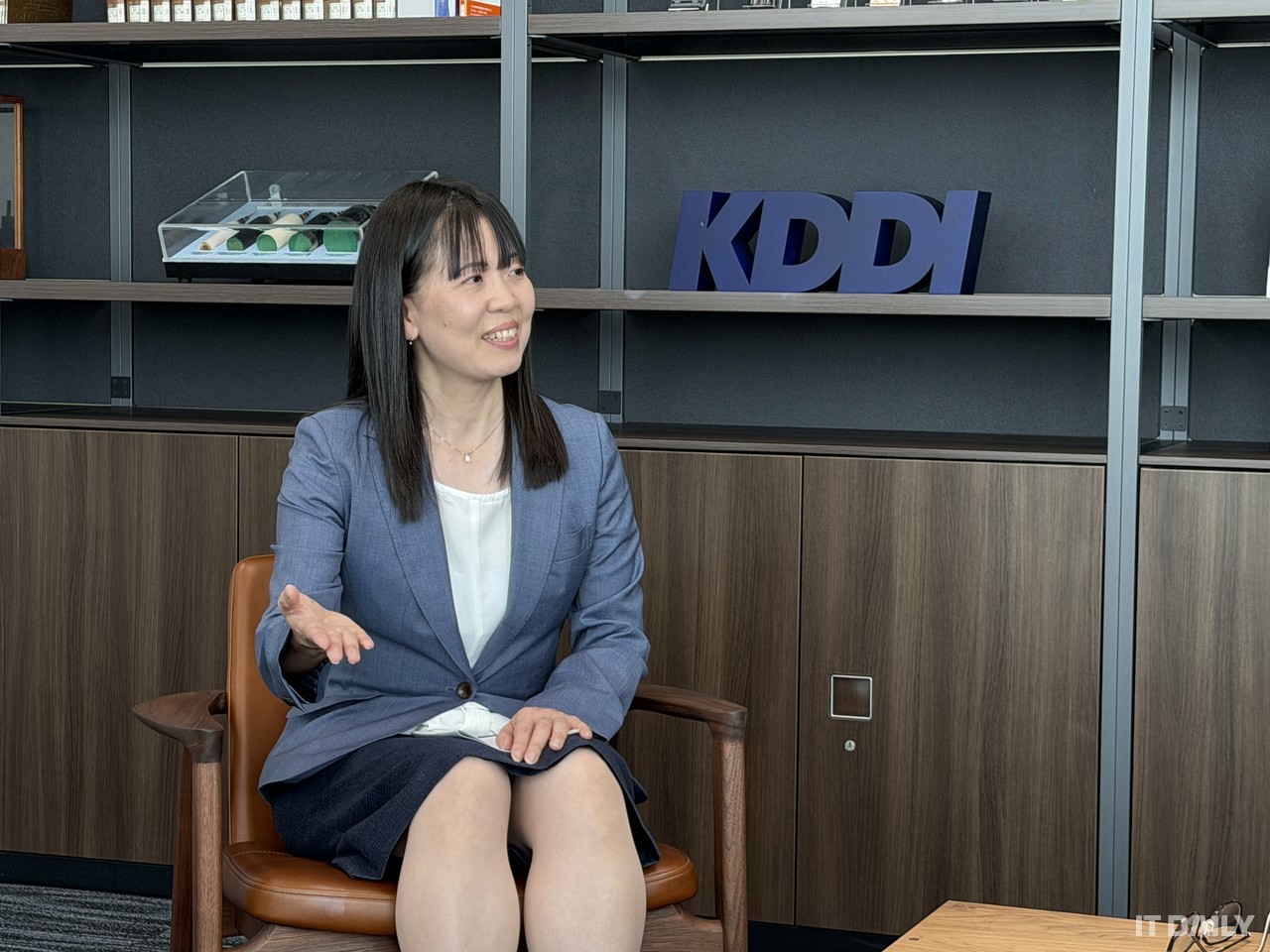
[Tokyo, Japan = Seong Won-young] On the 28th, I visited KDDI's office in Tokyo, Japan, and interviewed Mayuka Mizutani, KDDI senior general manager in charge, and found that KDDI has completed its eighth entry into the WonderJoy Travel Alliance. The WonderJoy Travel Alliance is a global telecom consortium made up of carriers from 9 countries, including South Korea, Japan, and Indonesia, and it has the function of sharing local travel benefits and offering them to its own customers.
KDDI and LG U+ will jointly operate a roaming pass pilot service from June through the end of August. This is a response aimed at expanding its overseas customer base. Photo credit: Seong Won-young, reporter.
The interview conducted on the 28th focused on the collaboration between LG U+ and KDDI, and Mayuka Mizutani, KDDI senior general manager in charge, explained KDDI's strategy. Mizutani said KDDI's strategy is to expand telecom-based services across customers' daily lives.
Mizutani explained that selecting a roaming plan is essential to use the WonderJoy Travel Alliance service. She added that travel benefits can be provided through WonderJoy, and that this could also expand use of KDDI's roaming services.
The number of representative telecom carriers by country around the world is said to be around 3 to 4. In South Korea, the representative carriers are SK Telecom, KT, and LG U+, while in Japan they are NTT Docomo, KDDI, SoftBank, and Rakuten Mobile. KDDI is Japan's second-largest telecom carrier, and LG U+ and KDDI have long collaborated.
Mizutani said KDDI's purpose in joining is to apply services across the full range of telecom customers' daily lives based on its 'Satellite Growth Strategy (新サテライトグロース戦略).' She also said the aim is to provide special added value to travelers visiting Japan.
As the background for operating the pilot service with LG U+, she pointed to the large number of travelers visiting Japan from South Korea and the frequent number of travelers visiting South Korea from Japan. She explained that South Korea-Japan tourism and travel demand has a structure in which it occurs 'close and often,' making benefit-based services like WonderJoy easier to feel in practice.
According to the Japan National Tourism Organization (JNTO), the number of foreign visitors to Japan last year was 42,683,600, up 15.8% from the previous year. Of those, Korean visitors numbered 9,459,600, ranking first by share.
As the trend of Japanese tourists visiting South Korea continues, Korea Tourism Data Lab said last year that the number of Japanese tourists to South Korea rose about 13.3% from the previous year to about 3,653,000. Against this backdrop, KDDI joined the WonderJoy Travel Alliance as its eighth member.
KDDI's participation in the alliance has lasted about 1 year. The current stage is about building customer awareness, and KDDI is focusing more on the service's future growth potential than on short-term results.
Mizutani said it is difficult to disclose specific data on coupon use and similar details. However, she said the internal assessment has been positive.
Examples of Korean telecom carriers include SK Telecom, KT, and LG U+, while examples of Japanese carriers include NTT Docomo, KDDI, SoftBank, and Rakuten Mobile. KDDI is the No. 2 carrier in Japan and has collaborated with LG U+ for a long time. The photo shows the lobby of KDDI's building in downtown Tokyo, and the photo credit is Seong Won-young, reporter.
KDDI is expanding its roaming services for inbound travelers visiting Japan and outbound Japanese customers traveling abroad. The direction of the expansion is focused on broadening telecom choices.
Some travelers are choosing to buy a SIM card before departure or download an eSIM and use it locally. KDDI is aware of these changes in usage.
Accordingly, KDDI is expanding services so customers can choose the communication method that best fits their travel situation, rather than insisting only on carrier roaming. Local SIMs are offered as a major option for overseas roaming services, and customers can choose between roaming and local SIMs depending on their usage pattern.
For inbound customers, the carrier is widening options such as local SIMs. For Japanese customers traveling abroad, it is strengthening roaming competitiveness by reducing fee burdens.
Mizutani said there is a preconceived notion that roaming services are expensive. She added that KDDI provides telecom services for its domestic customers when they travel abroad for 15 days at a fee structure similar to what they would pay for use within Japan.
With LG U+ joining the WonderJoy Travel Alliance, benefits available to KDDI customers when visiting South Korea are expected to expand.
KDDI believes Japanese travelers show strong interest in food, cosmetics, and beauty-related products when visiting South Korea, and KDDI and LG U+ are discussing the benefits they will provide. Accordingly, KDDI plans to discover partnership benefits with LG U+ that fit Japanese travelers' travel demand.
Mizutani said the background for this pilot-service collaboration was the collaborative relationship and marketing linkage foundation the two companies had built over time. She also said Japanese travelers' reasons for visiting South Korea and their preferences are closely aligned with good food and cosmetics and beauty trends. In addition, she said the two sides plan to discuss and agree on the benefits they want in order to build partnership offerings.
Source: IT DAILY · Seong Won-young
Original: https://www.itdaily.kr/news/articleView.html?idxno=241286
References
This article was produced with the help of an automated content generation algorithm.
Source: IT DAILY
View originalThis article was summarized and organized by BizCrush based on the original article from IT DAILY. For exact quotations and full details, please refer to the original article.