Samsung Electronics Sees Smartphone, Home Appliance Profitability Pressure Despite Memory Boom
IT DAILY ·
✦ AI Summary
Samsung Electronics on the 8th released its preliminary third-quarter results, recording 195 trillion KRW in sales and 107.4 trillion KRW in operating profit on a consolidated basis.
However, business division results and specific factors behind the increase or decline were not disclosed, so whether profitability has recovered in the smartphone and home appliance businesses has not yet been confirmed.
Samsung Electronics is scheduled to release business division results later this month, with higher semiconductor profits and whether finished-goods businesses can move out of the red cited as the main points to watch.
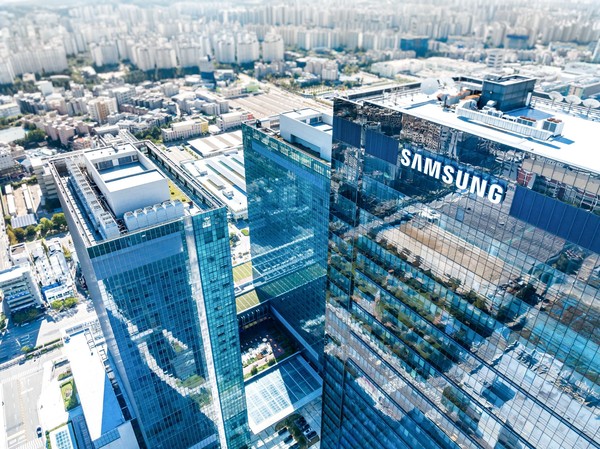
[IT Daily] Samsung Electronics on the 8th released its preliminary third-quarter results, reporting 195 trillion KRW in sales and 107.4 trillion KRW in operating profit on a consolidated basis for the third quarter. That marked increases of 126.59% and 782.50%, respectively, from a year earlier, with profit rising sharply. The photo shows the exterior of Samsung Electronics' Suwon Digital City.
However, the preliminary results did not disclose performance by business division, and specific factors behind the increase or decline were also not disclosed, leaving unclear whether profitability in the smartphone and home appliance businesses has recovered. Although the third-quarter preliminary results showed a sharp improvement overall, details by division were not released, so a recovery in smartphone and home appliance profitability has not yet been determined.
Rising memory prices are a positive factor for the semiconductor business, but they translate into higher cost burdens for finished-goods businesses. In the previous quarter as well, semiconductor and finished-goods trends moved in opposite directions. In the second quarter, the DS division posted 89.2 trillion KRW in operating profit, while the DX division recorded an operating loss of 800 billion KRW. DS is the Device Solutions division, and the businesses handled by DX are smartphones, TVs and home appliances. DX sales in the second quarter rose from a year earlier, but the deterioration in DX profitability was driven by rising component prices.
Samsung Electronics is scheduled to release business division results later this month. Accordingly, the key points to watch ahead are likely to be the factors behind higher semiconductor profits and whether finished-goods businesses can move out of the red.
Cost pressures in the finished-goods business are continuing into the second half. According to TrendForce analysis, production cost pressure is widening as smartphone makers work through inventories of low-cost memory chips. In addition, memory suppliers are prioritizing production capacity for high-margin server products, leaving supply of mobile memory tight.
Against this backdrop, TrendForce forecast that fourth-quarter contract prices for general-purpose DRAM will rise 10% to 15% from the previous quarter, while fourth-quarter NAND flash prices will rise 15% to 20% quarter on quarter. TrendForce also said mobile DRAM prices will continue to rise, albeit at a slower pace.
Manufacturers are facing higher prices as they deplete existing inventories and then procure new components. The same effect was reflected in Samsung Electronics' Mobile eXperience (MX) business in the second quarter. Although Samsung Electronics' MX business sales increased from a year earlier on sales of the Galaxy S26 series and the Galaxy A series, profit declined as component costs rose.
Home appliances posted higher sales from the previous quarter thanks to the peak season for air conditioners. However, profitability in home appliances was constrained by cost pressures.
If finished-goods prices are raised, there is a possibility of sales headwinds, and if the company absorbs the higher costs itself, a decline in profitability is unavoidable. Accordingly, how much the premium-product sales strategy and cost management Samsung Electronics has pursued have eased that burden will be a matter to confirm in third-quarter DX earnings and losses.
The key issues are HBM4 sales contributions and the performance of the premium-phone strategy. In the semiconductor division, the extent to which rising commodity memory prices contributed to results and the extent to which expanded sales of high-value-added products contributed to results are seen as the main points of contention.
The background to the profit increase and the variables that will determine future growth potential are selling prices, shipment volumes and the sales mix by product. Samsung Electronics responded to server memory demand in the second quarter, and the memory business posted its best quarterly results.
In the second half, Samsung Electronics plans to expand sales of high-value-added products such as HBM, server DRAM and enterprise solid-state drives (eSSD). HBM4 began mass-production shipments in February, and the company is now in the stage of confirming sales performance.
However, this preliminary earnings release did not include sales details by product, and the impact of expanding HBM4 supply on overall profit was not disclosed either. The basis for judging that will be the finalized results and conference call later this month, where Samsung Electronics is expected to present changes in DRAM and NAND selling prices, shipment changes and explanations related to HBM sales.
At its second-quarter earnings release, Samsung Electronics announced a policy of expanding the share of premium-product sales in the second half. The focus of its smartphone sales strategy is on Ultra and foldable models, with the goal of defending profitability. In home appliances, the company is pursuing improved results centered on AI products, while also working to improve results through sales channels with higher profitability.
However, it is difficult to judge the success of the strategy based only on higher premium smartphone sales. The key check is whether the strategy leads to improved profitability, and the condition for judging success is a simultaneous improvement in operating margin. For that, increases in component prices and marketing expenses must be reflected in the operating margin assessment. In addition, the combined earnings of MX and the Network business have limits when it comes to distinguishing smartphone profitability. Ultimately, the basis for judging the performance of the premium-product strategy will be the company's explanations of smartphone shipment volume, average selling price, component costs and marketing expenses.
Source: IT DAILY · Kim Byeong-ju
Original: https://www.itdaily.kr/news/articleView.html?idxno=242099
References
This article was produced with the help of an automated content generation algorithm.
Source: IT DAILY
View originalThis article was summarized and organized by BizCrush based on the original article from IT DAILY. For exact quotations and full details, please refer to the original article.